





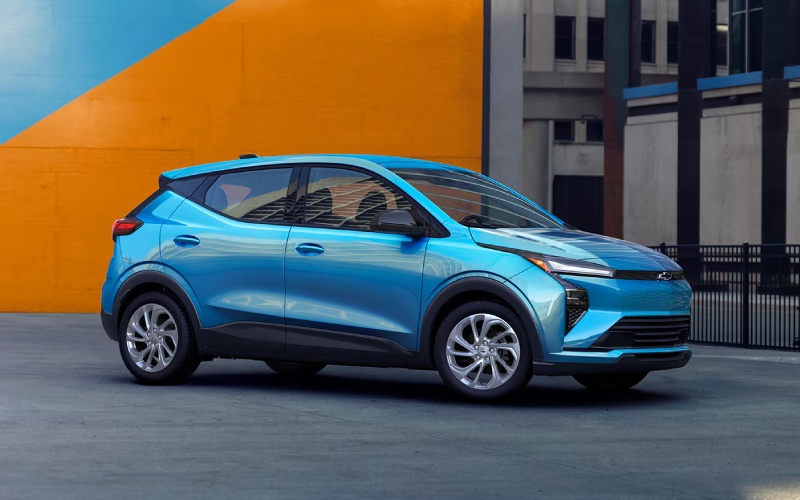
Bob Boyte Chevrolet – How long does it take to DC fast charge the 2027 Chevrolet Bolt near Mobile, AL?
Charging time is one of the first questions shoppers ask when they start evaluating an EV for real-world driving. The 2027 model makes the answer refreshingly straightforward, thanks to a standard NACS charge port and DC fast-charging capability engineered for quick turnarounds on compatible public chargers.
On a compatible DC fast charger, GM estimates 10%-80% in about 25 minutes, a window that fits neatly into a coffee stop or a grocery run. With an EPA-estimated 262 miles of range and access to more than 250,000 available chargers across the U.S. and Canada, including many Tesla Superchargers compatible with the Bolt’s NACS DC port, you can plan your day with confidence — from commutes to weekend drives west on I-10 or east along the coast.
What shapes real charging time?
Fast-charging time depends on a few practical variables: charger power output, current state of charge, battery temperature, and whether the charger is shared or capped. The 2027 model is designed to pull strong power on compatible DC fast chargers, especially in the mid-pack range where EVs charge most efficiently. If you arrive very low on battery or push past the 80% mark, expect charging to slow — that’s normal battery behavior engineered for long-term durability.
Keep in mind that regularly charging to 100% is recommended to achieve the fastest overall charging speeds with this new battery technology. For many daily drives around town, you’ll top up opportunistically and return home with range to spare. On road trips, a few 10%-80% sessions at compatible DC fast chargers typically minimize total stop time.
Home charging vs. public charging
Public DC fast charging shines on road trips or during busy days when your schedule is tight. At home, a Level 2 charger often carries most of the weight, refilling your daily miles overnight. Around Mobile, AL, and nearby corridors, public fast chargers are increasingly easy to find — and with Google built in, you can say, “Hey Google, find a DC fast charger,” to route directly to a nearby compatible station.
For many drivers, the rhythm looks like this: top off at home most nights, then rely on DC fast charging when a day runs long or plans change. That combination keeps the battery in its ideal range and gives you maximum flexibility when you need quick miles.
Planning a road trip strategy
With the 2027 model’s EPA-estimated 262-mile range, you can run one of two strategies. The first is “drive long and charge deep,” which uses fewer stops but longer sessions. The second is “shorter, more frequent top-ups,” keeping the battery in that quick-charging zone between roughly 10%-80% to shorten each stop. Thanks to the standard NACS DC port and broad compatibility, you’ll have more choices on major corridors — including Tesla Superchargers that support the Bolt’s NACS DC standard.
Add available Super Cruise® for compatible roads, and highway time can feel remarkably relaxing. Hands-free assistance helps you maintain lane position and a preset following gap while the system monitors driver attention, a helpful pairing with quick-charging flexibility when your travel day stretches beyond the usual routine.
Everyday tech that makes charging simpler
The cockpit is set up to make charging easy. The 11.3-inch touchscreen and 11-inch Driver Information Center keep range and energy usage front and center. With Google built-in, you can plot nearby chargers, compare options, and see the arrival state of charge on longer routes. Available wireless phone charging keeps your device topped up while the vehicle adds miles, and the overall interface is simple enough that learning it takes minutes, not days.
Local perspective for Mobile-area drivers
If your routine includes I-10 commutes, coastal errands, or quick trips inland, the fast-charge capability is a time-saver. Stop once during a busy day for a 10%-80% top-up on a compatible charger, and you’ll likely cover the rest of your plans comfortably. Planning a weekend to meet friends between the bay and the beaches? The 262-mile EPA-estimated range and quick-charging flexibility make it easy to keep your schedule intact without rethinking every stop.
Frequently Asked Questions:
Can I use Tesla Superchargers with the Bolt’s standard NACS DC port?
Yes, the standard NACS DC port is compatible with many Tesla Superchargers, expanding your options on well-traveled corridors. Always check station compatibility in your route planner or Google built-in for the latest availability and charger details.
How does temperature affect fast-charging speed?
Battery temperature influences how quickly the vehicle can accept power, particularly in very hot or cold conditions. The system manages temperature to protect the battery and optimize performance, which is why charge rates can vary slightly by season and recent driving.
Is it better to fast charge to 100%?
Fast charging typically slows significantly above 80% to protect battery health. For the quickest sessions, aim for 10%-80% on compatible DC fast chargers. The new battery technology also recommends regular charging to 100% to help achieve the fastest overall charging speeds, which you can do conveniently at home.
Will available Super Cruise® affect my charging plan?
Indirectly. Available Super Cruise® helps reduce fatigue on compatible highways, making longer drives feel easier. When combined with efficient 10%-80% top-ups on compatible chargers, you can plan fewer, shorter stops while maintaining a relaxed driving rhythm.
When you’re ready to see how this EV fits your life, the team at Bob Boyte Chevrolet can help you map real routes and compare charging options, serving Slidell, Moss Point, and Mobile with test drives that reflect everyday needs and weekend plans.
Request more 2027 Chevrolet Bolt information
Connect with us

