




Bob Boyte Chevrolet - Can the 2027 Chevrolet Bolt simplify EV charging for Slidell, LA commuters?
EV charging becomes much easier to understand when shoppers look at daily driving first, and the 2027 Chevrolet Bolt is designed to make that transition feel practical. For Slidell, LA commuters who regularly travel toward the Mississippi Gulf Coast, New Orleans, St. Tammany Parish, or nearby job centers, the Bolt offers a thoughtful balance of electric range, faster public charging, and simple charging compatibility. It is not just an EV for short errands. It is a compact Chevrolet built to support routine commuting, school schedules, weekend plans, and regional trips with a setup that feels approachable for first-time EV owners.
The key is the Bolt’s combination of an EPA-estimated 262 miles of electric range, a standard NACS Charge Port, and 150 kW+ public DC Fast Charging capability. Chevrolet lists a GM-estimated 25-minute 10%-80% charging time with DC public fast charging, which is a major advantage for shoppers who want an EV that can recover range quickly during longer days. For many drivers, home charging will handle most needs. Public DC fast charging then becomes the backup plan for extended travel, schedule changes, or days with more miles than expected.
Why the Standard NACS Charge Port Matters
The standard NACS Charge Port is one of the most important updates on the 2027 Chevrolet Bolt because it helps expand charging flexibility. Chevrolet notes access to more than 250,000 available chargers across the U.S. and Canada, including compatible Tesla Superchargers. For shoppers comparing EVs, that charging access can make a real difference in everyday confidence. A charging port may not sound exciting at first, but it directly affects where drivers can charge, how easy trip planning feels, and how comfortable an owner feels when leaving the familiar home charging routine.
For Slidell-area drivers, that can matter on both sides of the state line. A driver may live in Louisiana, work along the Gulf Coast, visit family in Mississippi, or take I-10 regularly. With compatible public charging available in more locations, the Bolt helps reduce the uncertainty that sometimes keeps shoppers from choosing an EV. The experience becomes less about worrying over where to plug in and more about building a charging rhythm that matches real life.
Home Charging and Daily Routine Planning
Most EV owners quickly discover that charging is often more convenient than expected because the vehicle can be charged during downtime. Instead of making a separate fuel stop, many drivers plug in at home and start the next day with a useful amount of range. Chevrolet also notes that with the Bolt’s new battery technology, regularly charging to 100% capacity is recommended to achieve the fastest overall charging speeds. That guidance helps simplify the ownership routine for drivers who want straightforward EV habits.
A practical charging plan starts with a few basic questions:
- Daily mileage: Estimate the normal round-trip commute, plus errands, school stops, and after-work travel.
- Home setup: Decide where the vehicle would park and what type of charging solution makes sense for that space.
- Public charging backup: Save convenient DC fast charging locations along frequently traveled routes.
- Weekend use: Consider longer drives to Gulf Coast destinations, family visits, or airport trips.
- Charging timing: Build a habit of plugging in before the battery becomes low rather than waiting until range feels urgent.
Once those pieces are in place, the Bolt’s 262-mile EPA-estimated range becomes easier to apply to everyday life. Many commuters will not need public charging every day. Instead, public charging can be used strategically when schedules expand beyond the usual pattern.
Faster DC Fast Charging for Busy Days
Public charging speed matters because not every day follows a neat plan. A driver may leave work later than expected, add an unplanned appointment, or make a longer regional drive. The 2027 Chevrolet Bolt supports 150 kW+ public DC Fast Charging, and Chevrolet lists a GM-estimated 25-minute 10%-80% charging time with DC public fast charging. That faster charging capability makes the Bolt more flexible than earlier expectations some shoppers may have about compact EVs.
For commuters, a DC fast charging stop can be planned around normal breaks. Instead of thinking about charging as lost time, owners can use the stop to check messages, grab a drink, or review the route ahead. The Bolt’s improved charging performance helps make those stops feel more manageable, especially for shoppers who are comparing EVs based on daily convenience rather than novelty.
Range Confidence Beyond the Commute
The Bolt’s EPA-estimated 262 miles of range supports more than work travel. It also helps with the full mix of driving that fills a household calendar. Slidell shoppers may travel to youth sports, medical appointments, restaurants, shopping centers, waterfront areas, or family gatherings across southeast Louisiana and the Mississippi Gulf Coast. A compact EV with useful range and quick public charging support can fit those needs without feeling limited to a narrow commuting role.
The Bolt also adds everyday comfort and technology that complement its EV charging strengths. The 11.3" diagonal touchscreen display and 11" diagonal Driver Information Center make important information easy to see. Google built-in compatibility can support hands-free help with real-time travel and entertainment needs through Google Assistant. Available wireless phone charging can reduce cable clutter. These details help create a cabin that feels modern and simple, which is exactly what many EV shoppers want when learning a new ownership routine.
What to Ask During a Bolt Test Drive
A test drive is a smart time to ask specific charging questions. The vehicle’s quiet ride and quick electric response are easy to notice right away, but the best EV purchase decisions also come from understanding the charging plan. Before or after the drive, ask the product specialist to walk through the charge port, explain public charging compatibility, and discuss how the Bolt’s range may fit a normal week.
- Ask about the NACS Charge Port: Confirm how it works with compatible public charging networks.
- Discuss DC fast charging: Review the GM-estimated 25-minute 10%-80% charging time and how it applies to road trips.
- Review home charging basics: Talk through charging location, daily mileage, and overnight habits.
- Use the screens: Explore how range and vehicle information appear on the Driver Information Center and touchscreen.
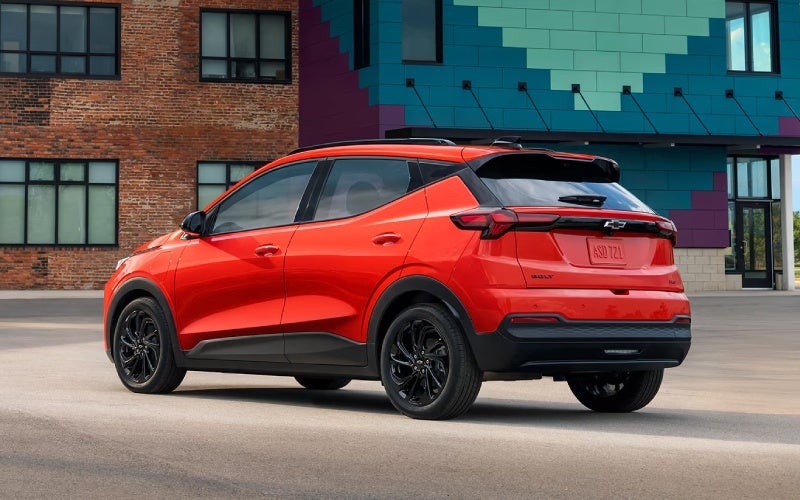
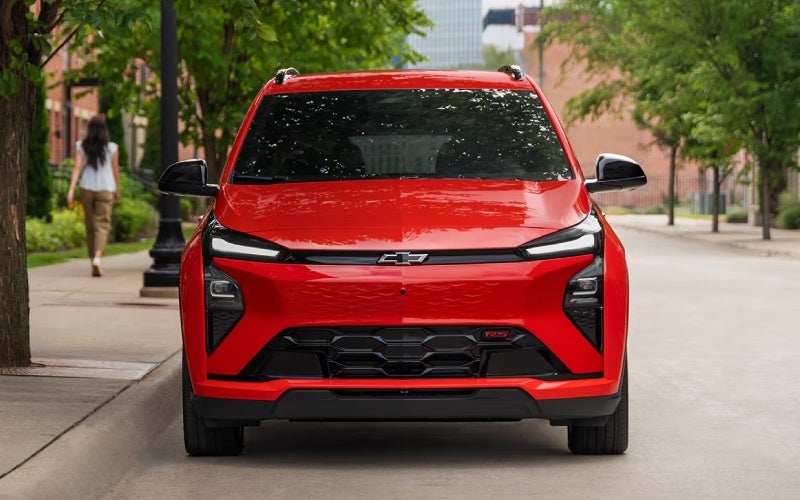
- Compare trims: Decide whether LT practicality or RS styling better fits personal preferences.
These questions help turn EV shopping from a broad idea into a clear ownership plan. A shopper who understands where, when, and how charging will happen can evaluate the Bolt with much more confidence.
Frequently Asked Questions:
Can the 2027 Chevrolet Bolt use Tesla Superchargers?
Chevrolet states that the Bolt can use compatible Tesla Superchargers through its standard NACS Charge Port. Charging access can vary by station, network, and compatibility, so drivers should verify available locations through current charging tools and vehicle resources.
Is the 262-mile EPA-estimated range enough for commuting?
For many commuters, yes. The EPA-estimated 262 miles of electric range can support several daily driving routines before recharging is needed. Actual range can vary based on driving style, road conditions, terrain, accessory use, and payload, but the Bolt is designed to deliver practical range for everyday use.
Should Bolt owners charge to 100%?
Chevrolet notes that with the Bolt’s new battery technology, regularly charging to 100% capacity is recommended to achieve the fastest overall charging speeds. Owners should also review the Owner’s Manual and vehicle guidance for best charging practices.
Does faster public charging replace home charging?
For many owners, home charging remains the most convenient routine, while public DC fast charging supports longer trips or busy days. The Bolt’s faster DC fast charging capability gives drivers more flexibility, but the best setup often combines home charging with public charging access.
The 2027 Chevrolet Bolt is a strong fit for shoppers who want EV charging to feel less intimidating and more practical. Its standard NACS Charge Port, EPA-estimated 262-mile range, faster public DC charging capability, and large network access help simplify the transition to electric driving. Add in Chevrolet technology, available Super Cruise® driver assistance technology, and a redesigned interior, and the Bolt becomes more than a sensible EV. It becomes a well-rounded daily driver built for the way commuters actually move.